Types of Steel Pipes and Their Cutting Requirements
Release time:2025-05-09 Click:131
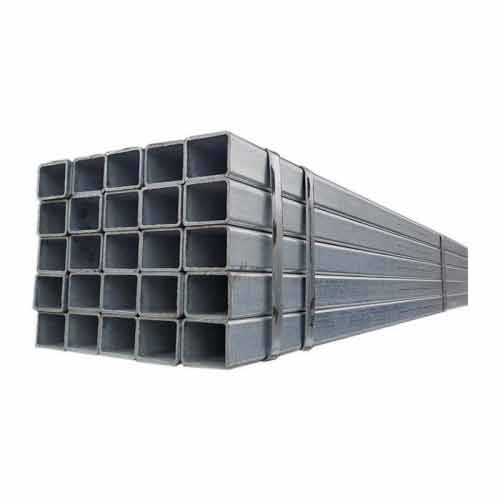
1. Galvanized Steel Pipe
Galvanized steel pipes are widely used in various industries due to their corrosion resistance. The zinc coating on galvanized pipes makes them ideal for outdoor applications, such as in construction and plumbing. However, cutting galvanized steel pipes requires special attention to avoid damaging the zinc layer, which could compromise the pipe's corrosion resistance.
The most common tools for cutting galvanized steel pipes include pipe cutters, hacksaws, and power tools like angle grinders. When using these tools, it's essential to ensure that the cut is clean and smooth to prevent any rough edges that could affect the pipe's performance. Additionally, after cutting, it's recommended to apply a zinc-rich paint or cold galvanizing compound to the cut edges to restore the protective coating.
2. Carbon Steel Pipe
Carbon steel pipes are known for their strength and durability, making them suitable for high-pressure applications such as oil and gas pipelines. Cutting carbon steel pipes can be more challenging due to their hardness and thickness. For this reason, professionals often use power tools like chop saws or band saws to cut carbon steel pipes efficiently.
One of the key considerations when cutting carbon steel pipes is to ensure that the blade used is appropriate for the material. High-speed steel (HSS) or carbide-tipped blades are commonly used for cutting carbon steel pipes. Additionally, it's crucial to maintain a steady cutting speed to prevent overheating, which could weaken the pipe's structure.
For more information on carbon steel pipes and their applications, you can visit Carbon Steel Seamless Tube.
3. Alloy Steel Pipe
Alloy steel pipes are used in applications that require high strength, corrosion resistance, and the ability to withstand extreme temperatures. These pipes are commonly found in industries such as chemical processing, oil and gas, and power generation. Cutting alloy steel pipes requires precision and the right tools to avoid damaging the material's properties.
The most effective tools for cutting alloy steel pipes include band saws, plasma cutters, and laser cutters. These tools provide the precision needed to cut through the tough material without causing excessive heat buildup, which could alter the pipe's mechanical properties. Additionally, it's important to use coolant or lubricant during the cutting process to reduce friction and heat.
Previous article:Introduction to reinforcing Steel Processing Machines and equipment
Next article:What is steel structure
Hot products
Mobile: +86 15097722953
Email:metalproducts2021@163.com
Email:1755383270@qq.com