The Advantages of Galvanized Square Steel Pipe in Construction
Release time:2026-02-08 Click:9
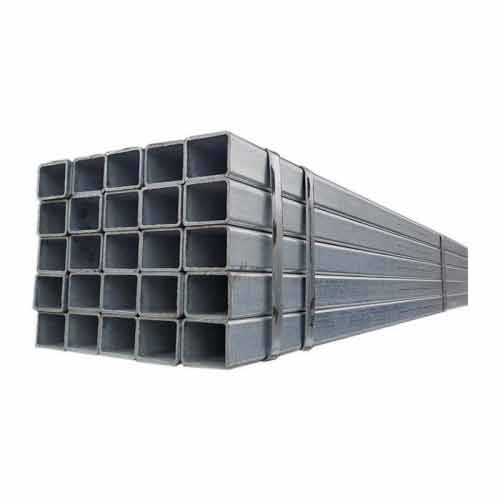
In the realm of modern construction and heavy-duty structural frameworks, the choice of material dictates the longevity and safety of the entire project. Among the myriad of steel products available, the galvanized square steel pipe stands out as a premier choice for architects and engineers. Unlike standard black steel pipes, which are prone to rust and require constant maintenance, this specific type of steel undergoes a hot-dip galvanization process. This process involves coating the steel with a layer of zinc, which acts as a sacrificial anode. Even if the surface is scratched, the zinc protects the underlying steel from oxidizing, making it ideal for outdoor structures, fences, and industrial frameworks where exposure to the elements is inevitable.
The manufacturing process of a galvanized square steel pipe is rigorous, ensuring that the protective coating penetrates every crevice of the hollow section. The pipe is first cleaned using an alkaline solution to remove grease and oil, followed by pickling in acid to remove mill scale and rust. Once cleaned, the steel is immersed in a bath of molten zinc at temperatures exceeding 450 degrees Celsius. This metallurgical bond creates a coating that is not just a surface layer but an integral part of the metal. For square pipes, this is particularly important because the sharp corners and internal seams are areas where corrosion typically initiates. The galvanization ensures uniform coverage, providing decades of service life even in coastal areas with high salinity.
From a structural mechanics perspective, the square profile offers distinct advantages over round pipes. A galvanized square steel pipe provides a flat surface that is easier to connect, weld, and bolt to other structural components without the need for complex fitting adapters. This flatness allows for more efficient load distribution when used in trusses or support columns. Furthermore, the square shape resists torsion and bending forces better than a round pipe of the same weight, making it a preferred material for heavy machinery frames, scaffolding, and bridge supports. The high tensile strength of the steel, combined with the corrosion resistance of the zinc coating, creates a material with an exceptional strength-to-weight ratio.
Installation and fabrication of structures using galvanized square steel pipe are streamlined due to its versatility. It can be easily cut, drilled, and welded using standard workshop tools. However, care must be taken during welding to avoid burning off the zinc coating at the joints; typically, welders use zinc-rich paints to touch up these areas to restore corrosion protection. Because the pipe is hollow, it allows for the routing of electrical wiring, plumbing, or HVAC ducts within the structural members, keeping buildings clutter-free. This dual function as both a load-bearing element and a utility chase makes it a cost-effective solution for complex architectural designs.
Finally, the economic and environmental impact of using galvanized square steel pipe is significant. While the initial cost is higher than untreated steel, the total cost of ownership is drastically lower due to the elimination of painting, rust-proofing, and replacement costs. Steel is also highly recyclable, and the zinc used in the galvanizing process can be recovered and reused. In an era of sustainable building practices, the longevity and recyclability of this material align perfectly with green construction standards. It represents a smart investment that balances upfront costs with long-term durability and minimal environmental footprint.
Previous article:Precision-Cut Galvanized Square Steel Bar for Structural Frameworks
Next article:Structural Versatility and Strength of Industrial Square Pipe
Hot products
Mobile: +86 15097722953
Email:metalproducts2021@163.com
Email:1755383270@qq.com