The Multifaceted Applications of Hollow Tube
Release time:2026-02-13 Click:12
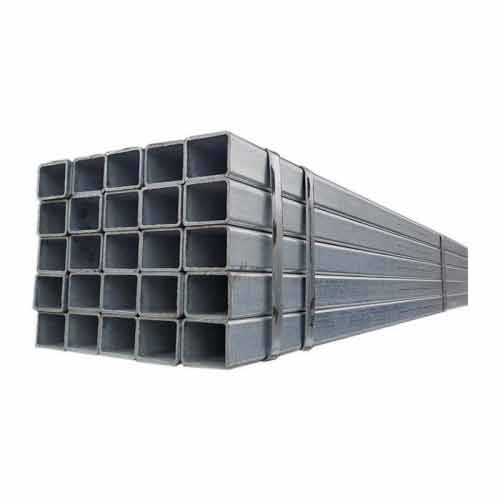
A hollow tube, a cylindrical structure with an empty core, leverages its lightweight yet strong design for applications spanning engineering, manufacturing, and everyday life. Unlike solid rods, its hollow center reduces weight while maintaining structural integrity, making it ideal for load-bearing and fluid-transport roles. Made from steel, aluminum, plastic, or composites, hollow tubes adapt to diverse needs—from bicycle frames to skyscraper scaffolding—showcasing unparalleled versatility.
The engineering of hollow tubes prioritizes strength-to-weight optimization. Thin-walled tubes resist bending and torsion better than solid rods of equal weight, thanks to their geometric efficiency. Manufacturing methods include extrusion (forcing material through a die), welding (rolling and joining sheets), and seamless forming (piercing solid billets). Materials are chosen for specific traits: steel for strength, aluminum for lightness, PVC for corrosion resistance, and carbon fiber for stiffness.
Applications of hollow tubes are ubiquitous. In construction, they form scaffolding and handrails; in automotive design, they reduce vehicle weight for better fuel efficiency. Bicycle frames use aluminum or carbon fiber hollow tubes for agility, while plumbing relies on copper or PVC hollow tubes for water transport. Even furniture (chair legs) and sports equipment (ski poles) use hollow tubes for durability and style.
Advantages of hollow tubes include reduced material usage, improved efficiency, and adaptability. Their hollow core allows for wiring or fluid passage (e.g., exhaust pipes), adding functionality. They dissipate heat better than solid rods, critical in machinery. For aerospace, hollow titanium tubes save weight without sacrificing strength, enhancing aircraft performance.
Maintenance of hollow tubes focuses on preventing corrosion and structural damage. Steel tubes are coated with zinc or paint; aluminum tubes benefit from anodizing. Inspect for dents or cracks (common in high-impact areas), and repair minor damage with epoxy. For fluid-carrying tubes, flush regularly to remove sediment and prevent clogs.
In summary, hollow tubes are engineering marvels that balance strength with efficiency. Their ability to serve countless roles—from supporting skyscrapers to enhancing bicycles—makes them a foundational component of modern design and innovation.
Previous article:Discover Durability in Architectural Galvanized Square Pipe Solutions
Next article:Handrail Galvanized Square Steel with Anti-Rust Coating
Hot products
Mobile: +86 15097722953
Email:metalproducts2021@163.com
Email:1755383270@qq.com