Product details description
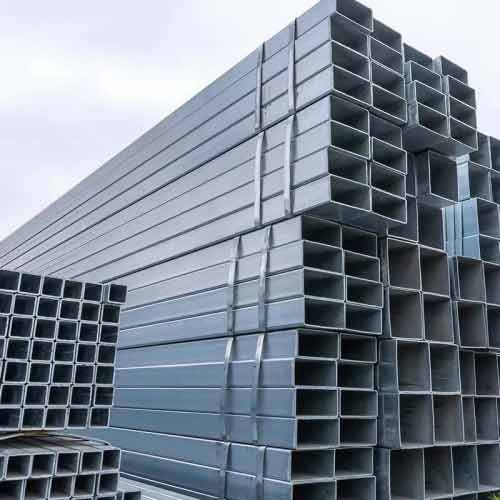
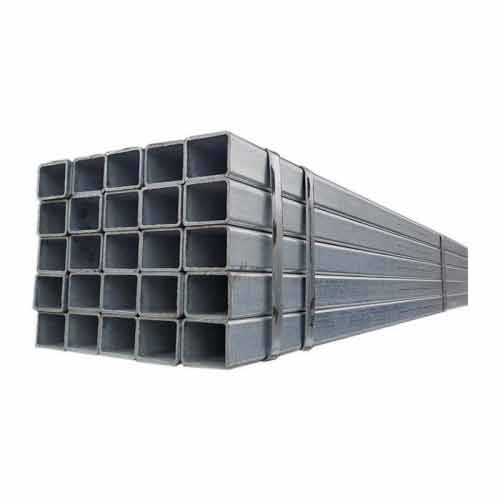
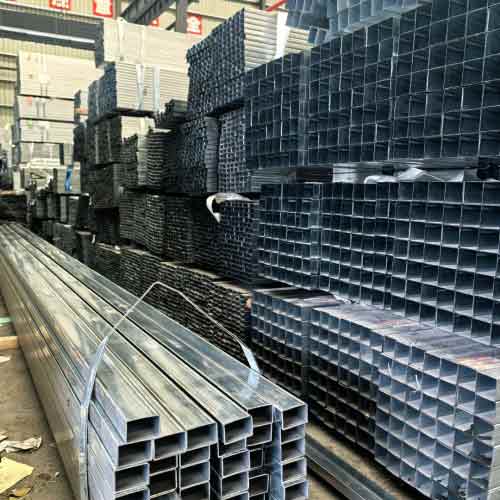
Galvanized square steel is a ubiquitous material in construction, favored
for its high strength-to-weight ratio and corrosion resistance. However, working
with this material requires specific cutting and fabrication techniques to
preserve its protective zinc coating and ensure structural integrity. Whether
for building frames, fencing, or industrial racking, understanding the correct
methods for cutting and fabricating galvanized steel is essential for producing
high-quality, durable components.
The choice of cutting tool is the first critical decision in the
fabrication process. Abrasive chop saws are commonly used for their speed and
ability to make straight cuts through thick steel. However, they generate
significant heat and sparks that can burn off the galvanized coating at the cut
edge, leaving it vulnerable to rust. Cold cutting methods, such as band saws
with bi-metal blades or reciprocating saws, are preferred for preserving the
zinc layer because they generate less heat. Using cold cutting techniques helps
maintain the corrosion resistance of the material at the critical edge
areas.
Once cut, the raw edges must be treated to restore corrosion protection.
The heat generated by friction or abrasion often removes the zinc coating at the
cut site. To remedy this, fabricators apply cold galvanizing compound, zinc-rich
paint, or galvanizing spray to the exposed edges. This "re-galvanizing" process
is crucial, especially for outdoor applications where moisture is present.
Ignoring this step will lead to rust starting at the cut edges and eventually
compromising the structural strength of the square steel section.
Fabrication also involves drilling, punching, and welding, which can damage
the protective coating. When drilling or punching, it is important to use sharp
bits and proper lubricants to minimize friction heat. For welding, the intense
heat will destroy the zinc layer in the weld zone. After welding, the area must
be cleaned thoroughly, and a zinc-rich primer should be applied to restore the
cathodic protection. Alternatively, using galvanizing spray after welding offers
a quick, though less permanent, solution for protecting the weld bead.
In conclusion, successful fabrication of galvanized square steel requires a
balance between mechanical efficiency and preserving the protective coating. By
selecting the right cutting tools, treating the cut edges, and properly
addressing the damage caused by welding, fabricators can ensure the longevity of
the steel structures. These meticulous methods prevent rust and degradation,
ensuring that the galvanized steel retains its strength and appearance over its
service life. Proper fabrication is key to unlocking the full potential of this
versatile construction material.
Previous article:
Galvanized Square Steel Production Process: Complete Manufacturing Guide
Next article:
Galvanized Square Steel Structural Integrity and Load Capacity